

When it concerns establishing an organization, selecting the ideal structure is crucial for both lawful defense and functional effectiveness. A Restricted Obligation Business (LLC) is a popular choice among business owners because of its adaptability and the security it offers. An LLC is a company structure in the USA where the proprietors are not personally responsible for the firm's obligations or debts. free trademark search tool of service joins together the pass-through taxes of a collaboration or sole proprietorship with the restricted responsibility of a firm, making it an optimal choice for numerous service proprietors. The process of developing an LLC varies by state, including filing posts of organization with the state's Assistant of State workplace and paying a filing fee, which can likewise vary.
The advantages of an LLC extend past responsibility defense. For tax purposes, LLCs enjoy pass-through taxes, implying that business itself does not pay tax obligations on organization income. Instead, the income is "travelled through" to the individual earnings of the participants of the LLC, and they pay individual revenue tax on it. This avoids the double tax commonly experienced in firms. An additional advantage is the adaptability in administration. Unlike what is a benefit corporation in oklahoma , which are needed to have a board of directors and corporate policemans, an LLC can be managed by its participants or by supervisors they appoint. This can be especially advantageous for small services that do not want to take care of the formalities of company frameworks. In addition, there is no restriction on the variety of members an LLC can have, and it can include individuals, firms, various other LLCs, and foreign entities, supplying broad versatility in service collaboration arrangements.
Recognizing Restricted Responsibility Firms (LLCs)
A Limited Obligation Company, or LLC, is a popular service structure in the USA due to its adaptability and the protection it supplies its proprietors. Creating an LLC permits business owners to maintain their individual properties separate from their organization obligations, indicating individual possessions like homes, financial savings, and cars are protected in case the company incurs financial obligation or is sued. One of the crucial qualities of an LLC is that it integrates aspects of both a corporation and a partnership. Like a corporation, it uses restricted liability to its owners, that are generally referred to as participants. It also offers the operational adaptability and pass-through taxes usually connected with partnerships, where business earnings and losses are passed via to individual revenue without dealing with company tax obligations. An LLC can be either manager-managed or member-managed, providing the members the capacity to customize administration according to their requirements. In a member-managed LLC, all members take part in the decision-making processes of the organization, which can be perfect for little, joint groups. In comparison, a manager-managed LLC assigns one or more managers to handle business's day-to-day procedures, which can be valuable for participants who prefer to be easy investors. The procedure of establishing an LLC differs by state, but typically involves declaring articles of company with a state company and paying a filing fee. This adaptability in structure and taxation, paired with family member ease of setup, makes the LLC an attractive option for many entrepreneur seeking both security and simplicity.
Recognizing the Framework and Benefits of an LLC
Limited Responsibility Firms (LLCs) are a prominent company framework among business owners because of their flexible monitoring frameworks and useful tax therapies. An LLC integrates the minimal liability attributes of a company with the tax performances and operational flexibility of a partnership. The owners of an LLC are described as "participants," and they can consist of people, companies, other LLCs, and also international entities, without maximum variety of participants. What makes LLCs especially appealing is that they secure their participants from individual liability for the financial obligations of business, suggesting that participants' individual properties are normally not in danger if the LLC deals with personal bankruptcy or legal actions. It's important to keep in mind that this security is not outright. If participants do not preserve a clear separation in between their individual events and the company operations, they might be at threat of losing their restricted obligation security with a legal principle called "puncturing the corporate veil." Maintaining an llc and developing calls for adherence to particular functional formalities, consisting of keeping detailed records and keeping separate individual and business savings account. Another considerable advantage of LLCs is their tax obligation adaptability. The internal revenue service does rule out an LLC a separate tax entity from its proprietors. Instead, LLCs enjoy what is called "pass-through" taxes, where revenue is just exhausted at the private level, thus avoiding the dual taxes frequently experienced by companies. Members report their share of revenues and losses on their individual tax returns, making tax obligation filing less complex and commonly much more favorable. Furthermore, LLCs offer a high level of monitoring versatility. They can be handled by their members (member-managed) or by selected supervisors (manager-managed), which is ideal for proprietors who choose not to be entailed in the day-to-day procedures of business. This makes LLCs a very adaptable structure that can fit a broad variety of service demands, from single-owner operations to multi-partner ventures. Understanding these aspects is crucial for anybody considering developing an LLC as it can considerably influence the legal and financial elements of their company.
Recognizing the Structure and Advantages of LLCs
Minimal Responsibility Business (LLCs) are a prominent choice for local business owner looking for a flexible and safety business structure. This sort of company incorporates the attributes of both firms and collaborations or single proprietorships. Unlike a single proprietorship or partnership, where the proprietors can be held directly in charge of the financial obligations and liabilities of the business, an LLC gives its proprietors, referred to as participants, with restricted liability defense. This suggests that participants are usually not personally accountable for the organization financial obligations and lawsuits, hence safeguarding their individual properties. Among the most attractive aspects of an LLC is its versatility in tax. It can be taxed as a sole proprietorship, a partnership, or a company, depending upon the elections made by the members. This flexibility enables the participants to choose the taxes technique that ideal suits their financial and operational requirements. Another substantial benefit of an LLC is that there is no restriction on the variety of members it can have, unlike S-corporations which are restricted to 100 shareholders. Furthermore, there are no limitations on the residency condition of these participants, enabling even non-U.S. people to be component of an LLC. This makes it an attractive alternative for global joint ventures. In regards to management, LLCs are additionally highly versatile. They can be handled by participants, which makes them member-managed LLCs, or by supervisors, which are after that referred to as manager-managed LLCs. This flexibility enables proprietors to customize the monitoring structure to the certain requirements of business. Unlike firms that need a board of directors along with obligatory officers, and routine conferences, an LLC's operational and monitoring structure is much less formal and can be established with an LLC operating agreement. This file details the regulations for possession and operation of business, offering a clear structure while enabling the change of functions and obligations as required. On the whole, the LLC structure provides a mix of minimal obligation defense, operational adaptability, and positive tax obligation alternatives, making it an excellent option for many entrepreneur. Whether beginning a brand-new organization venture or restructuring an existing one, creating an LLC can supply a strong structure for safeguarding and expanding the service.
Recognizing LLC Adaptability and Tax Obligation Benefits
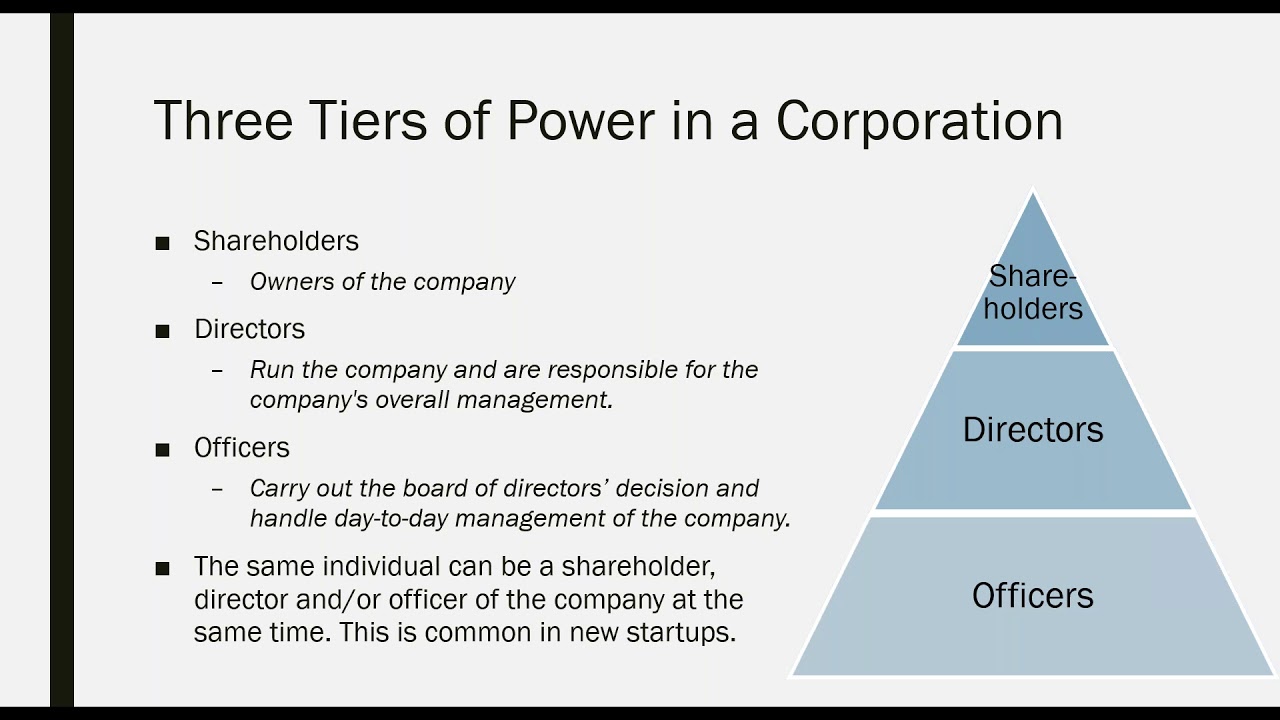
Restricted Responsibility Firms (LLCs) offer a very adaptable service structure that accommodates a wide array of services, from single proprietors to larger ventures. One of one of the most substantial advantages of an LLC is the security it provides to its owners from individual liability for debts and other responsibilities of the company, thus limiting individual danger. This indicates that individual assets like automobiles, homes, and savings remain shielded from business financial institutions. Furthermore, LLCs are identified by their adaptability in administration and procedures. Unlike companies, which are called for to have an official structure with policemans and supervisors, LLCs can be handled straight by the proprietors or by appointed supervisors. This versatility permits owners to customize the administration framework to finest match their business needs.
One more important aspect that makes LLCs appealing is the tax benefits they offer. organized crime real life examples appreciate what is referred to as 'pass-through' taxation where the revenue of the business is only strained once at the individual earnings degree of the proprietors, staying clear of the dual taxes commonly related to corporations. This can lead to substantial tax obligation financial savings and simplify the tax declaring procedure. In addition, LLCs can choose exactly how they wish to be taxed, whether as a sole proprietorship, collaboration, or corporation. This capacity to select one of the most helpful tax category assists company owner reduce their total tax worry.
Flexibility in earnings circulation is one more benefit that LLCs use. Unlike in a corporation where earnings have to be dispersed according to the percentage of ownership or stock, LLCs can disperse revenues as they choose. This allows owners to award financial investment or effort that may not always be mirrored in the portion of ownership. This can be specifically helpful in scenarios where particular companions have invested even more time or sources than others.
On the whole, the LLC framework offers a combination of restricted responsibility security, operational versatility, and favorable tax alternatives, making it an attractive option for company owner. Thinking about these variables, it's clear why numerous new and current businesses choose the LLC framework. It gives an equilibrium of individual asset security, convenience of management, and economic advantages that can be customized to the certain needs of business and its owners.